
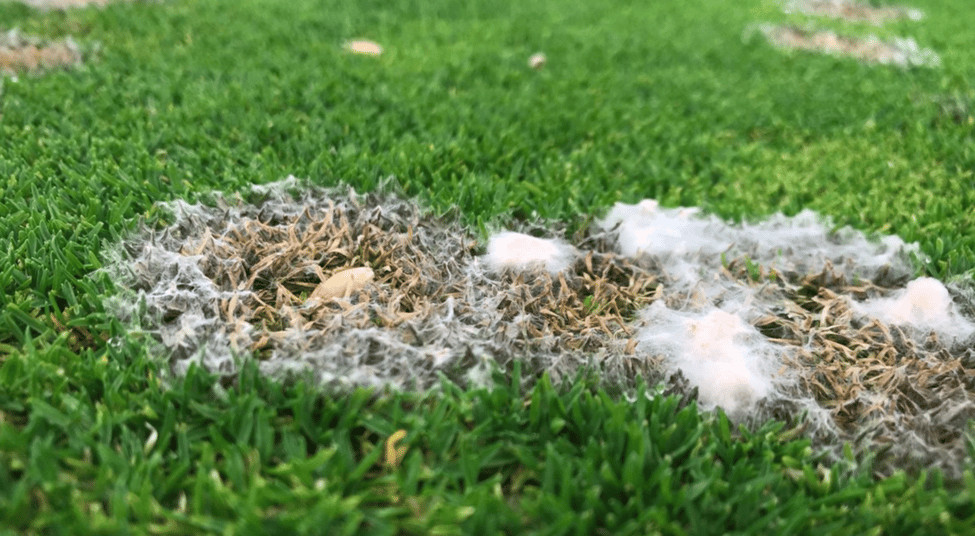
Snow Mold: Identification, Treatment, and Prevention
Dealing With Snow Mold on Your Lawn
Noticing discolored patches on your lawn as the snow melts? You may be dealing with snow mold—a common lawn disease that appears in late winter and early spring. The good news is that it’s usually not as serious as it looks. Here’s how to identify snow mold, treat affected areas, and prevent it from returning so your lawn can recover quickly this season.
What Is Snow Mold, and Where Did It Come From?
Snow mold is a common type of lawn disease caused by fungi. The name "snow mold" is appropriate on multiple levels: the whitish color of a patch often looks similar to snow, it is most prevalent in regions that receive heavy snowfall, and it is usually encountered as the snow cover retreats at the end of winter.
Different types of fungi can cause snow mold, resulting in patches that are gray, pink, tan, or white. It’s very possible that the fungus has been in your soil all along. Fungal spores usually sit dormant until the conditions are just right—neither too cold nor too hot—and perfectly moist. When the weather warms up enough to melt snow and leave behind drenched soil, the fungi finally attack.
4 Signs of Snow Mold on Your Lawn
Since snow mold appears in various forms, identifying it is a bit of an art. Look for these four specific signs:
- Appearance: It most often appears as matted patches of discolored grass, ranging from a few inches to a few feet in diameter. It can also look like a thin "webbing" over the grass.
- Texture: With snow mold, the grass blades are physically matted down and stuck together, rather than just being brown and upright.
- Smell: These affected areas often give off a distinct, moldy or earthy odor.
- Time of Year: This is strictly a late winter or early spring disease. If you see discolored patches in the heat of summer, it’s likely a different lawn issue.
How to Treat Snow Mold
While you can apply fungicide to active snow mold after the snow melts, it is generally considered unnecessary. Drier, warmer spring conditions are usually enough to stop the spread naturally. However, if your lawn is known to be susceptible, preventive fungicide applications can be made in the late fall while the grass is still growing.
The best news is that in many cases, the grass isn't dead at the root. If you leave the patches alone, they will often green up again on their own as the weather improves. If the grass truly doesn't come back, you can reseed the dead areas and focus on prevention for the following year.
How to Prevent Snow Mold from Returning
The key to prevention is reducing moisture and improving air circulation. Since fungi thrive in wet conditions, follow these steps in the fall:
- Rake your leaves: Getting leaves off the grass in the fall helps the lawn breathe throughout the winter.
- The final mow: Mow your lawn one last time in late fall to keep the blades short and less likely to mat down.
- Fertilize carefully: When using a winterizing fertilizer, apply it in late fall. Applying nitrogen too early in the fall promotes lush growth that is highly susceptible to mold.
- Manage snow piles: For smaller lawns, try to avoid letting huge mounds of snow (like those from a driveway) sit on the grass for extended periods.
- Improve drainage: Ensure your soil doesn't have low spots where water constantly pools.
Source: The Spruce