
Winter Home Maintenance Checklist for Ontario: 9 Things to Do Before the Cold Arrives
A little preparation now can help protect your home from winter weather, unexpected repairs and unnecessary headaches.
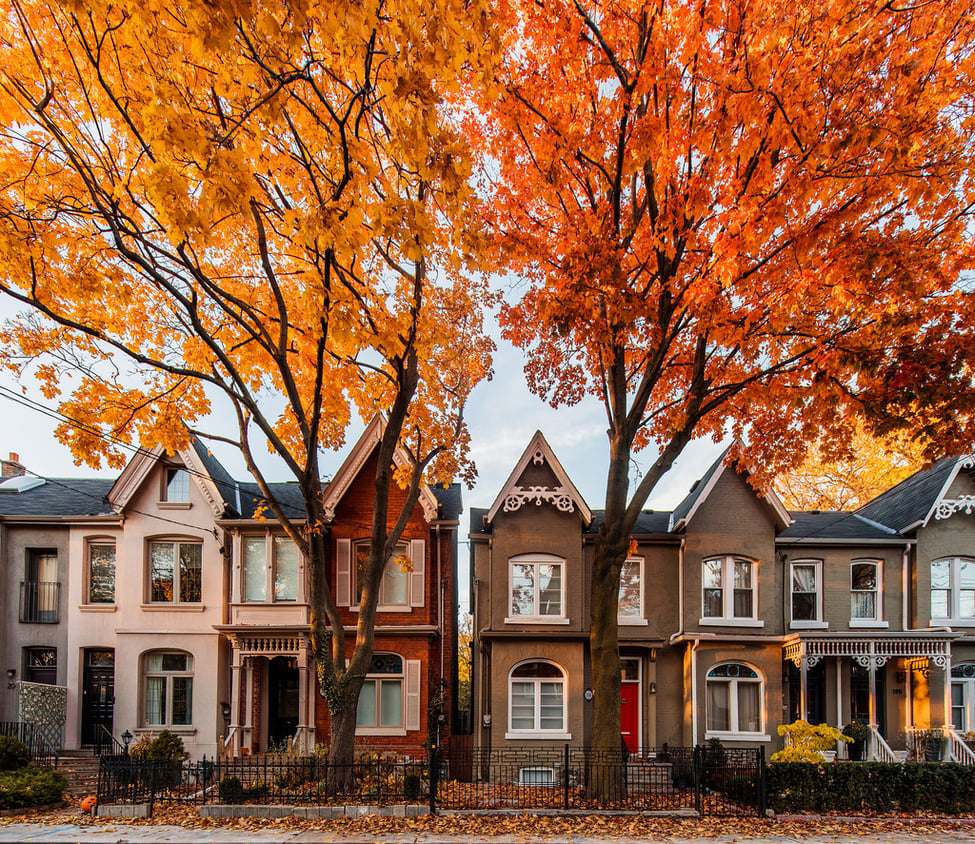
If you've lived through a winter in Toronto or the Greater Toronto Area, you know how quickly the weather can change. One week you're enjoying colourful fall leaves, and the next you're searching for snow shovels and wondering whether the furnace is ready for another season.
The good news? Preparing your home for winter doesn't have to mean a major renovation or an expensive project.
Many of the most useful preventative maintenance tasks are relatively simple. Taking care of them in the fall can help reduce the risk of frozen pipes, water damage, uncomfortable drafts and heating problems when temperatures drop.
Whether you own a detached house in Scarborough, a townhouse in Toronto's east end or a family home elsewhere in the GTA, here are nine essential winter home maintenance tasks worth adding to your checklist.
1. Clean Your Gutters and Downspouts
Falling leaves are beautiful — until they end up blocking your gutters.
When gutters fill with leaves, twigs and debris, rainwater and melting snow may not drain properly. As temperatures fluctuate, trapped water can freeze, increasing the risk of ice buildup and water damage.
Before winter arrives:
Remove accumulated leaves and debris.
Check for loose or damaged gutter sections.
Make sure downspouts are clear.
Ensure water drains away from your foundation.
If your home is surrounded by mature trees, you may need to check the gutters more than once during the fall.
Local homeowner tip: Many established Toronto and Scarborough neighbourhoods have mature tree canopies. If your property has large trees nearby, consider scheduling gutter cleaning after most of the leaves have fallen.
For multi-storey homes or difficult-to-reach gutters, hiring a professional is generally safer than working on a ladder yourself.
2. Inspect Your Roof Before Snow and Ice Arrive
Your roof is one of your home's most important defences against winter weather.
Small problems that are easy to overlook during warmer months can become more troublesome when snow, ice and freeze-thaw cycles arrive.
You don't need to climb onto the roof to perform a preliminary inspection. From the ground, look for:
Missing, cracked or curled shingles.
Loose or visibly damaged flashing.
Sagging or unusual roof sections.
Debris collecting in roof valleys.
Inside your home, check accessible attic areas or upper ceilings for signs of moisture, staining or leaks.
If anything looks concerning, arrange a professional inspection rather than attempting a risky repair.
Addressing roof issues before winter can help reduce the likelihood of unexpected problems during the coldest months.
3. Service Your Furnace and Check the Filter
When temperatures fall below freezing, a reliable heating system becomes essential.
Before the heating season gets into full swing, check your furnace filter and replace or clean it according to the manufacturer's recommendations.
A dirty filter can restrict airflow and may affect heating performance.
It's also worth considering professional maintenance, particularly if your heating system hasn't been serviced recently.
During the winter, remember to check the filter periodically. Replacement frequency depends on the filter type, system requirements and household conditions.
Another useful habit: Make sure heating vents and return-air grilles aren't blocked by furniture, rugs or stored belongings.
A little attention to your heating system can help keep your home comfortable throughout Ontario's colder months.
4. Seal Drafts Around Windows and Doors
Have you ever walked past a window on a windy winter day and felt a sudden chill?
Even relatively small gaps around windows and exterior doors can allow cold air into your home.
Before winter, take a few minutes to inspect:
Weatherstripping around exterior doors.
Door sweeps and thresholds.
Caulking around window and door frames.
Visible gaps where cold air may enter.
On a cool or windy day, you may be able to identify drafts simply by feeling around the edges of windows and doors.
Replacing worn weatherstripping or sealing appropriate gaps can improve indoor comfort and help reduce unnecessary heat loss.
For homeowners considering future energy-efficiency upgrades, this is also a useful opportunity to identify windows or doors that may need closer attention.
5. Winterize Outdoor Faucets and Garden Hoses
Outdoor plumbing is easy to forget once gardening season ends.
But a hose left connected to an exterior faucet can trap water where it shouldn't be, potentially contributing to freezing and damage.
Before freezing temperatures arrive:
Disconnect all garden hoses.
Drain and store hoses in a protected location.
Follow the appropriate winterizing procedure for exterior faucets.
Shut off and drain outdoor water lines where your plumbing system requires it.
Different faucet designs have different winterizing requirements, so follow the manufacturer's instructions or consult a qualified plumber if you're unsure.
A few minutes of preparation can help prevent a much more inconvenient plumbing problem later.
6. Prepare Your Yard, Walkways and Exterior
Winter maintenance starts before the first snowfall.
Take a walk around your property and identify outdoor jobs that will be harder to complete once the ground freezes.
Consider putting away garden tools, protecting patio furniture and clearing leaves from outdoor drains.
Check exterior lights, particularly near entrances, driveways and walkways. Shorter daylight hours make reliable lighting especially important.
Look for damaged steps, uneven paving stones or other potential trip hazards that could become harder to see under snow.
And don't forget your winter equipment.
Make sure snow shovels, ice-melting products and other supplies are accessible. If you use a snowblower, check that it's in working order before you actually need it.
For homeowners in Toronto, Scarborough, Whitby, Oshawa and other GTA communities, planning ahead can make the first significant snowfall far less stressful.
7. Test Smoke and Carbon Monoxide Alarms
As households spend more time indoors and heating equipment sees increased use, fall is a sensible time to review home safety.
Test your smoke and carbon monoxide alarms according to the manufacturer's instructions.
Replace batteries where required and check the alarms' replacement dates.
Ontario has specific requirements for smoke and carbon monoxide alarms, so homeowners should ensure their properties meet the rules currently in effect.
If your home has fuel-burning appliances, a fireplace or an attached garage, carbon monoxide safety deserves particular attention.
Remember that alarms are an important safeguard, but they don't replace proper maintenance of heating equipment and other fuel-burning appliances.
8. Protect Pipes in Vulnerable Areas
Frozen pipes can lead to major inconvenience and potentially expensive water damage.
Pay particular attention to plumbing in areas that may experience colder temperatures, including:
Exterior walls.
Garages.
Crawl spaces.
Unheated or poorly insulated areas.
Spaces where pipes have frozen previously.
Depending on the situation, appropriate insulation, air sealing or professional plumbing work may help reduce freezing risks.
If you plan to be away during the winter, make sure your home's heating and plumbing arrangements are suitable for the expected conditions. It's also wise to review your insurance policy for any requirements relating to extended absences.
One especially useful tip: Find your home's main water shut-off valve and make sure you know how to operate it.
In the event of a plumbing emergency, being able to shut off the water quickly may help limit damage.
9. Assemble a Winter Emergency Kit
Ontario winter storms can occasionally bring power outages, difficult road conditions and disruptions to daily routines.
Having a few essentials ready can make these situations easier to manage.
Consider keeping a winter emergency kit containing:
Flashlights and spare batteries.
Fully charged power banks.
A basic first-aid kit.
Drinking water and non-perishable food.
Necessary medications and household essentials.
Warm blankets and other appropriate emergency supplies.
Keep everything in a location that's easy to access and make sure household members know where to find it.
You may never need the kit, but it's reassuring to have it ready.
Your Quick Winter Home Maintenance Checklist
Before temperatures drop, review these nine tasks:
Clean gutters and downspouts.
Inspect the roof for visible damage.
Check the furnace and replace or clean its filter.
Seal drafts around windows and doors.
Winterize exterior faucets and garden hoses.
Prepare your yard, walkways and winter equipment.
Test smoke and carbon monoxide alarms.
Protect vulnerable plumbing.
Prepare an emergency supply kit.
You don't have to tackle everything in one weekend. Spreading these jobs over several fall weekends can make the process much more manageable.
Why Regular Home Maintenance Matters for Property Value
Preparing your home for winter isn't just about staying warm.
Consistent maintenance helps protect the condition of your property and may reduce the risk of larger repairs over time.
It's also something worth thinking about from a real estate perspective.
When buyers tour a home, they often pay attention to visible signs of upkeep. The condition of the roof, windows, heating system and exterior can influence their overall impression of the property.
While routine maintenance doesn't guarantee a higher selling price, keeping your home in good condition can help preserve its appeal and support a smoother selling process.
And if you're not planning to sell anytime soon? The benefits are just as relevant.
A well-maintained home is generally a more comfortable, functional and enjoyable place to live.
Thinking About Your Home's Future?
Whether you've owned your home for decades or recently purchased your first property, taking care of it is one of the most practical investments you can make.
And if you're considering selling, buying or simply wondering how your home fits into today's Toronto and GTA real estate market, I'd be happy to help.
Have questions about your home's value or your next move?
Contact Brian McIntyre for a conversation about your real estate plans.
🏡 Brian McIntyre Real Estate | RE/MAX Hallmark®
How can I help you?